First-Time Homebuyer

Your first home raises questions you have not faced before.

Explore first-purchase choices and milestones, then use the Game Plan for detail.

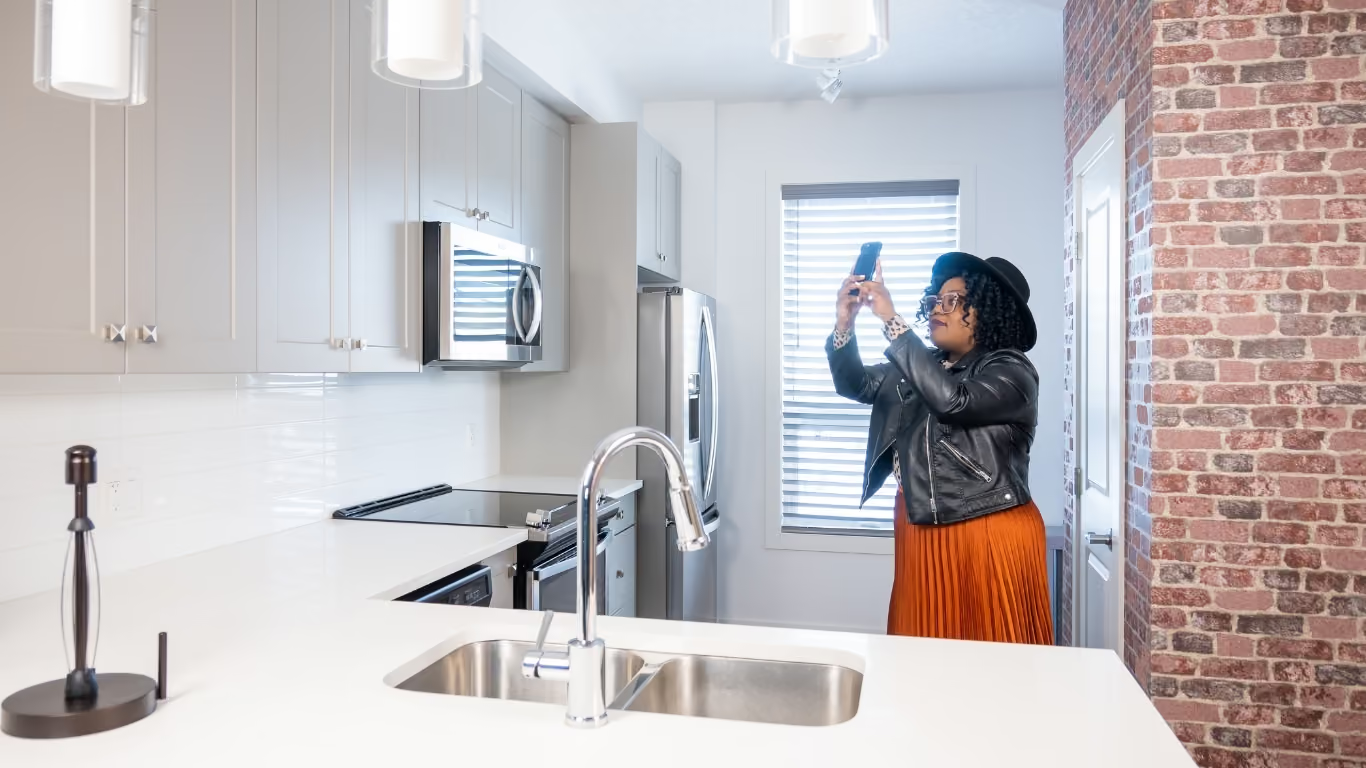
Woman wearing hat and leather jacket taking photos with smartphone in modern kitchen with brick wall.

START WITH THE FIRST PURCHASE

A first purchase brings new decisions

Finding a home you like can make a first purchase feel real. The offer then brings a different set of questions: what you would be agreeing to, which deadlines matter, and what still needs to be checked.

Use this page to place those questions in the process and identify who can answer them, whether you are buying on your own or with someone supporting your decision.

Some questions apply across purchase types: readiness to shop, monthly costs, upfront cash, and preapproval. For those, start with Preparing to Buy. Ready to begin the loan process? Register in our secure portal.

An offer is only one moment. What comes before it—and what changes after it is accepted—can shift the question you need to answer next.

A FEW MILESTONES, IN ORDER

From home search to closing

A first purchase moves from searching to an offer, through the contract period, and into closing. Use these stages to place your question in context; tasks can overlap, and timing varies by transaction.

As you look at homes

A listing can introduce a home, but it may not answer every question you have about it. As you move from browsing to considering a specific property, your questions become more focused: what information is available, what still needs to be confirmed, and what follow-up could affect your decision. The details depend on the property and the information gathered about it.

When you make an offer

An offer turns interest in a home into a proposed agreement. It can set out terms and deadlines for the next steps, so the decision is no longer only whether you want the home; it’s also what you’re agreeing to and what happens if the offer is accepted. Offers and contract terms vary. If the seller accepts, the purchase moves into the contract period.

After your offer is accepted

An accepted offer does not finish the loan or property review. Depending on the transaction, the remaining work may include an inspection, appraisal, insurance arrangements, title work, and additional lender requests. An inspection examines the home’s condition; an appraisal helps the lender evaluate its value. Ask which findings or outstanding items could require your decision, and by what deadline.

At closing and after

Review your Closing Disclosure and other documents before signing. Compare the loan terms, monthly payment, and cash to close with your latest Loan Estimate, and ask your lender about differences. Confirm when the transaction will be complete, when you can take possession, and when your first mortgage payment is due.

For an independent overview of the homebuying stages, see the CFPB’s Buying a House resources. For the shared purchase map, see the Homebuyers Overview milestones.

The purchase moves forward through shared milestones, but the answers often come from different places.

FIRST-PURCHASE QUESTIONS

Know who can answer which part of the process

Mortgage questions

Start with our team for mortgage questions. We can explain the loan review, what information is still needed, and how the financing steps fit into the purchase. If you’re unsure whether a question is about the mortgage or another part of the transaction, talk with our team. We can help you sort out which professional is best placed to answer it.

Offer and contract questions

Your real estate professional can explain the offer and transaction process within their role. Ask: “What action does this part of the process call for, and when is it due?” For legal advice about a contract, consult an attorney.

Property and closing questions

Other professionals can answer questions about the services they provide. Depending on the transaction, that may include an inspector, title or settlement professional, insurance provider, or attorney. Ask: “What does this finding or document mean, and is there a decision I need to make?” The people involved vary by transaction and location.

If someone is supporting your decision, they can help keep track of open questions. You can ask a professional to explain what their answer means for the decision in front of you.

Even when each professional has answered their part, one question is still yours to weigh: which tradeoffs will shape your everyday life in this home?

HOW YOU WILL LIVE THERE

Picture an ordinary day there

A family of four gathered around a dining table enjoying a meal with colorful dishes and fresh juice as a woman in a yellow top pours juice into a glass for a boy.

Those tradeoffs show up in the details you’ll live with after move-in. Some have factual answers; others depend on the routines and priorities you want the home to support.

A shorter commute may mean less space; an extra room may come with more upkeep. Identify the tradeoffs you would accept during an ordinary week, then separate personal preferences from property questions that need verification.

  • Condition: What do you know about the home’s condition, and what needs a closer professional look?
  • Location: How does the location fit the routines, travel, and places your household relies on?
  • Daily use: Does the layout support how you expect to use the space on an ordinary day?

The First-Time Homebuyer Game Plan includes a worksheet for comparing specific homes. For mortgage-cost questions that apply across purchase types, see Preparing to Buy.

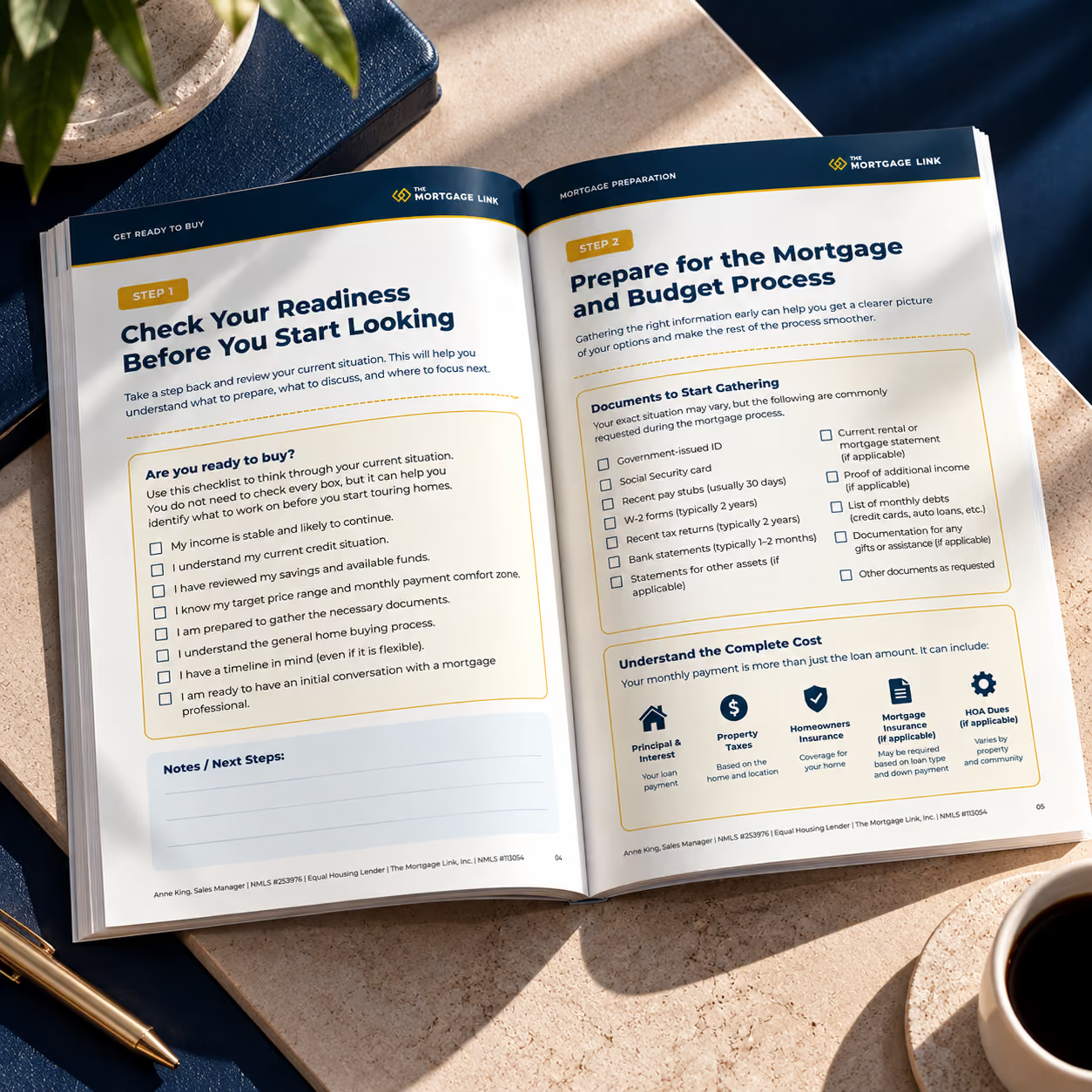
A resource for your first home

First-Time Homebuyer Game Plan

Use the printable Game Plan to compare homes and track purchase milestones. The request page asks for your name and email address.

Open book showing home touring tips with checklists of buyer questions and home features to notice during showings.